

Skip to content

Project Experience

Industrial & Energy

Environmental Noise Assessments for BC Mines


About These Projects

Noise and vibration from mining projects can affect the health and well-being of humans and wildlife. For humans, environmental noise can disturb sleep, cause annoyance, and interfere with speech. For wildlife, potential effects include interference with communication and habitat loss.

A mining project can have hundreds of stationary and mobile noise and vibration sources, including blasting, processing, ventilation, and transportation, such as heavy equipment, aircraft, trucks, rail, and more.

We have extensive experience preparing the noise and vibration components of federal and provincial environmental assessments. By performing measurements and developing software models, we can assess mining-related noise and vibration sources according to national and international standards, and accurately predict noise and vibration levels at nearby communities, mining camps, and wildlife habitat, as we have on the following projects:

Common Acoustical Challenges:

  • Numerous stationary and mobile noise sources
  • Blasting noise and vibration
  • Haul truck, aircraft and rail traffic
  • Effects on wildlife habitat
  • Sleep disturbance at communities and camps
  • Federal and provincial assessment requirements

Environmental Noise and Vibration Assessments

Brucejack Mine, Stewart, BC Galore Creek Mine, Stewart, BC Giscome Quarry and Lime Plant, Prince George, BC Harper Creek Mine, Vavenby, BC Highland Valley Copper 2040 Expansion Project, Logan Lake, BC KSM Mine, Stewart, BC Kutcho Mine, Northwestern BC Morrison Mine, Granisle, BC Murray River Coal Mine, Tumbler Ridge, BC

Third-Party Reviews of Environmental Assessments

New Prosperity Mine, Cariboo Regional District

Quintette Mine Noise Assessment, Tumbler Ridge, BC Roman Mine Noise Assessment, Tumbler Ridge, BC

Featured Case Study

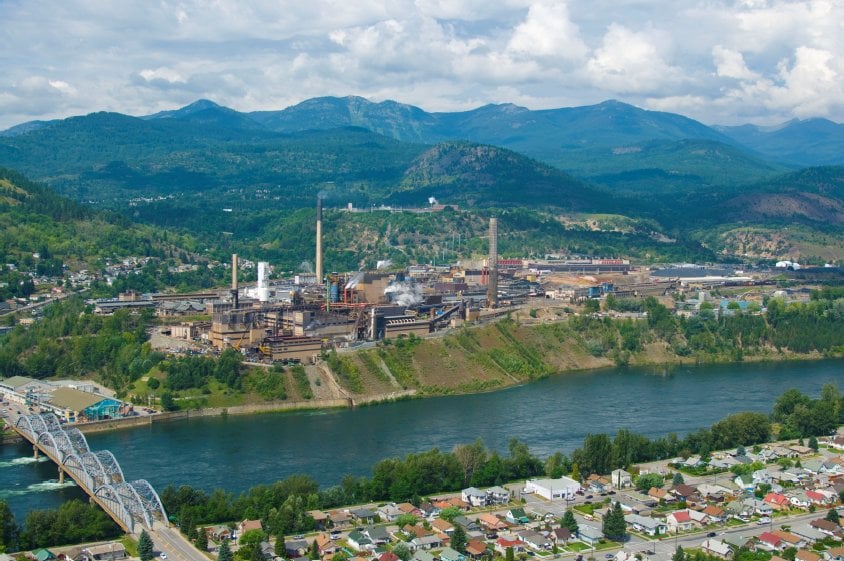
Teck Trail Occupational Noise Survey

Teck Trail Occupational Noise Survey

The Occupational Noise Survey at Teck Metals Ltd.'s Trail Operations facility was undertaken to update and reassess workplace noise conditions across the plant. Previous measurements conducted in 2011 had identified high-risk zones where workers are required to wear double hearing protection as part of standard safety practices. As part of its ongoing occupational health and safety initiatives, Teck sought a clearer understanding of current noise conditions throughout the facility, along with opportunities to reduce worker noise exposure through engineering controls where practical. BKL was engaged to conduct an occupational noise survey at the Trail Operations site, with the objective of developing updated noise maps for the identified high-risk areas and reviewing potential noise mitigation options. Measurements and assessments were carried out in accordance with CSA Z107.56-13, Measurement of Noise Exposure, a standard referenced in WorkSafeBC guidance for occupational noise assessments. Our work focused on collecting reliable field data and translating it into practical insights that could support noise management and mitigation efforts within the facility. Key components of the scope included: The noise survey provided Teck with an updated understanding of noise conditions across key operational areas at the Trail Operations facility. Key outcomes of the project include: Through this work, we provided the data and analysis needed to better understand the workplace noise conditions and support ongoing efforts to manage occupational noise and protect worker hearing health. Learn more our projects here. Have a project in mind? Get in touch today.