

Skip to content

Project Experience

Residential & Mixed Use

Residential and Mixed-Use Developments


About These Projects

Inter-suite noise and vibration transmission is the number one complaint by occupants of multi-party residences. When this factor is combined with the growing awareness of municipal authorities to the problems of mixed-use development noise impacts and external noise exposure, primarily from road traffic, noise looms large as an aspect which designers must address.

BKL Consultants Ltd. has had many years of experience dealing with acoustical problems in multi-party residences. It is difficult to keep this list up to date because of the number of projects, but here are some notable examples:

Common Acoustical Challenges:

  • Noise transfer between suites
  • Impact noise from footsteps
  • Road, rail and SkyTrain noise
  • Aircraft noise
  • Mechanical, plumbing and elevator noise
  • Renovations and conversions

999 Seymour Street

Vancouver, BC

Comprehensive acoustical design for luxury high rise condominium project including review of road traffic noise, mechanical noise, plumbing noise and noise isolation between suites.

Aberdeen Condominiums

Richmond, BC

Located beneath flight path of Vancouver International Airport (YVR). City approval required extraordinary measures to mitigate aircraft noise.

Olympic Village

Vancouver, BC

Traffic noise, ventilation and elevator noise were assessed for the athlete’s village for the 2010 Olympic Games.

Crane Site

Coquitlam, BC

Road, rail, rail yard and SkyTrain traffic noise assessment using Cadna/A software and rail vibration assessment for comprehensive development consisting of two high rise buildings and four townhouses.

Woodlands Development

New Westminster, BC

Comprehensive design for isolation of traffic noise impacts.

Riverview Lands Noise Study

Coquitlam, BC

Comprehensive design for isolation of traffic noise impacts.

Glen Robin Development

Burnaby, BC

Traffic noise isolation. This project replaces the development with the first ever residential traffic noise study conducted in the Lower Mainland – the driving force for many local by-laws regulating outdoor-to-indoor sound.

The Garage

Vancouver, BC

Heritage building conversions make noise issues especially difficult to mitigate, and this project was no exception. Design services to mitigate inter-suite noise and traffic noise.

Illuminada Condominiums

Edmonton, Alberta

Morgan Crossing

Surrey, BC

Acoustical design for isolation of Highway 99 traffic noise, loading bay noise, roof top unit noise and Corona noise from high voltage transmission lines using Cadna/A software.

The Pier

North Vancouver, BC

Assessed local harbour (industrial) and traffic noise using Cadna/A software and recommended building envelope design to mitigate these noise sources for comprehensive development of six high rise towers.

UniverCity Condominiums

Burnaby, BC

Nuisance lawsuit expert opinion on transformer noise disturbance and development of vibration mitigation measures.

West Pender Place

Vancouver, BC

Sound isolation of traffic noise and full acoustical design services for this prominent development on West Pender.

Odlinwood

Richmond, BC

Review of six single family residential projects for isolation from aircraft noise to meet Richmond’s development requirements, including site reviews of noise isolation elements.

The Kingswood

Vancouver, BC

Comprehensive noise control design for luxury high rise condominium project, including footstep noise, garbage chute, in-floor heating, air-conditioning, whirlpool tubs and general plumbing.

18 West Hastings

Vancouver, BC

Sound isolation of traffic noise and full acoustical design services for this redeveloped heritage building.

Belmont Drive

Vancouver, BC

Luxury single family dwellings: isolation of ventilation systems, home theatre room design and swimming pool acoustics design. …and many more!

Featured Case Study

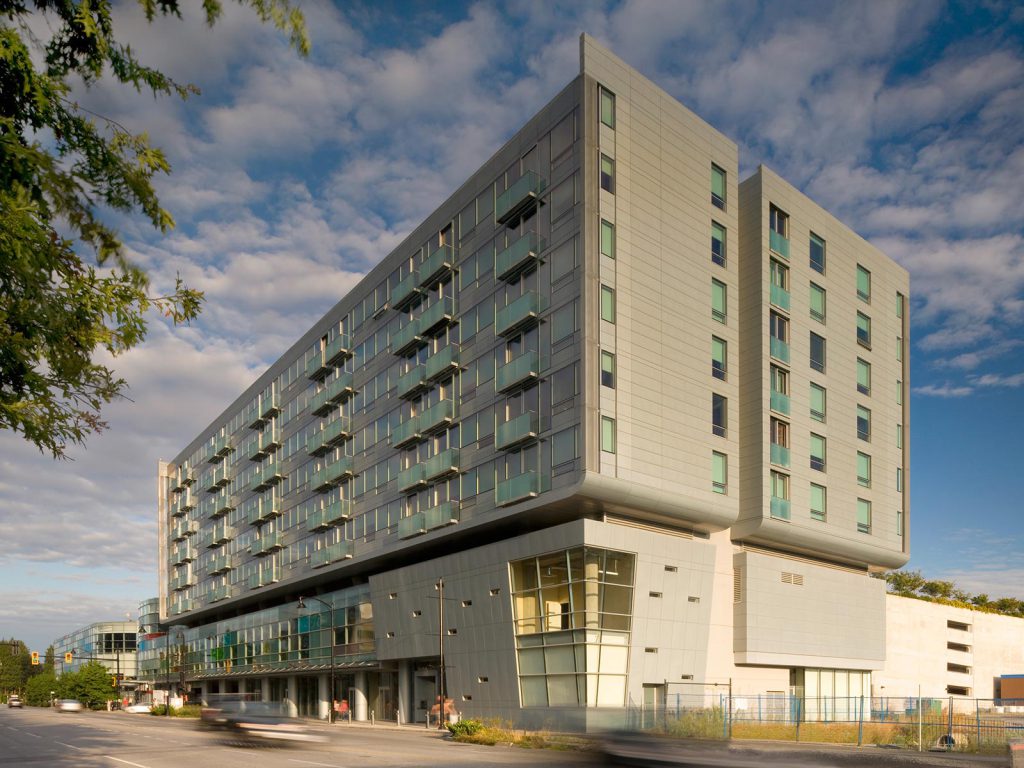
Aberdeen Residence

Aberdeen Residence

Located directly beneath the flight path of aircraft using YVR's south runway, the 120-unit Aberdeen Residence lies in the City of Richmond's Aircraft Noise Sensitive Development Policy Area, a zone that normally prohibits the construction of residential buildings. However, after consulting on a hotel immediately adjacent to the site, and successfully incorporating many special design features to attenuate aircraft noise, BKL helped the architects, Bing Thom, and developers, Fairchild Developments, convince City of Richmond planners to approve the project and make an exception to the aircraft noise policy in effect at the time. To support their case to the city, BKL conducted noise measurements inside a guest room at the hotel while aircraft departed overhead. The results of these measurements—and the fact that the hotel had not received any aircraft noise–related complaints from guests—proved that, with thoughtful acoustical design, the proposed Aberdeen Residence could meet or exceed interior noise level requirements. BKL's noise control measures included custom windows that the firm had previously recommended for another hotel, the YVR Fairmont, where the windows had been highly successful in preventing intrusion of aircraft noise. Since aircraft noise at the Aberdeen site can be either very loud or non-existent depending upon runway usage, the plans could include balconies for the residences. This presented an additional challenge in the acoustical design because the acoustical performance of most sliding patio doors is limited. BKL worked with VisionWall, a Canadian window manufacturer, to develop a semi-custom patio door with non-conventional seals and operating mechanism to achieve sound attenuation equal to that offered by the windows. BKL's services on this project included design advice on attenuating aircraft noise, isolating interior sound between residential units, and controlling noise from building services. During construction, BKL reviewed shop drawings, conducted sound transmission loss tests between mock-up units, and carried out periodic inspections of acoustically critical installations. Upon completion of the project, prior to occupancy, BKL measured interior noise levels within the residential units as commercial jets departed over the building. These measurements confirmed BKL's earlier predictions and demonstrated that, with the right acoustical design features, overall noise exposure from aircraft could be controlled to satisfy the city's noise criteria and maximum levels during flyovers could be limited to 45 dBA, the World Health Organization's criterion for sleep disturbance. Have a project in mind? Get in touch today.