


Case Study
Port Mann Water Supply Tunnel
Year Completed
2015
Capital Cost
$240M
About This Project
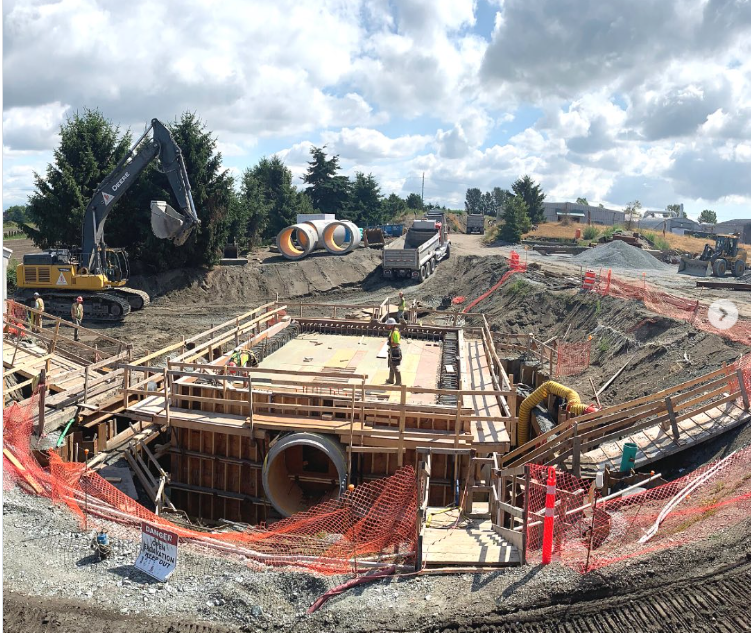
In 2006, to replace an existing, almost 40-year-old water main, Metro Vancouver broke ground on a brand-new tunnel to move fresh drinking water across the Fraser River between Coquitlam and Surrey, BC. The new tunnel doubles the capacity of its predecessor and features several important seismic upgrades—including the ability to handle up to 6 metres of movement.
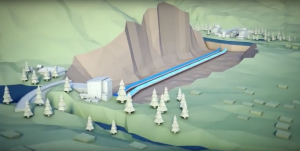
Lying 55 metres below the river’s surface, the tunnel connects to Metro Vancouver’s water system through vertical shafts that rise to portals on both shores. South of the river on the Surrey side, the portal opens into a residential subdivision. On the Coquitlam side, the portal is adjacent to a waterfront park and commercial complex, whose tenants include a business with vibration-sensitive operations.
Acoustical challenges
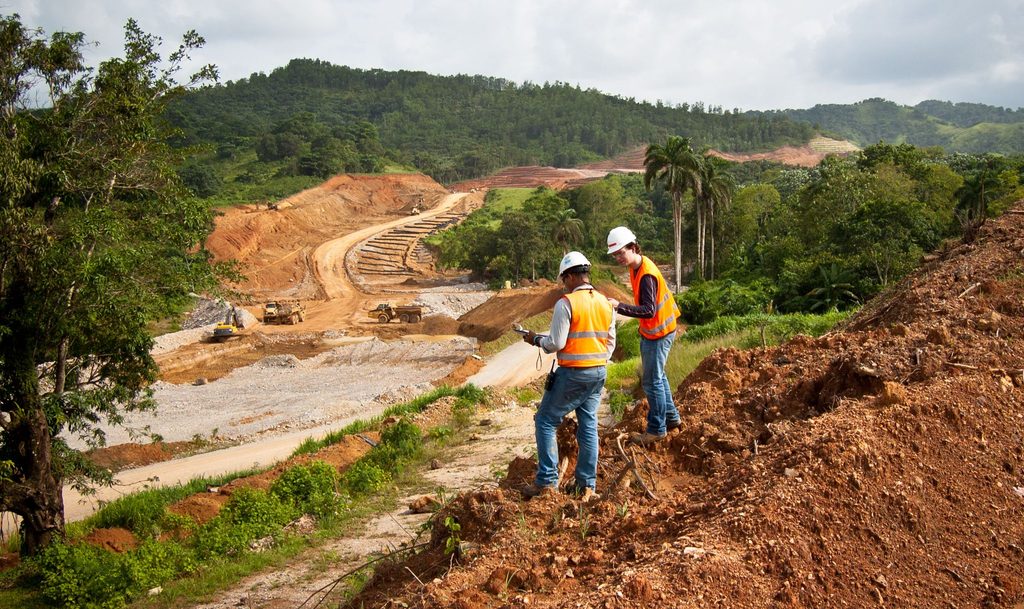
BKL joined the design team early in the project, hired to assess construction noise and vibration related to the excavation and tunnelling work on both sides of the river. Since the project involved long-term construction work—lasting years—minimizing the impacts of noise and vibration was critical.
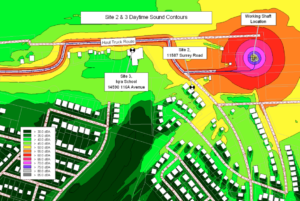
Using a computer model, BKL determined how construction noise would affect nearby residences and businesses.
Scope of services
BKL monitored baseline noise at multiple locations and predicted construction noise at both tunnel portals using 3-D noise mapping software. The team then assessed potential noise mitigation options, such as temporary noise barriers, and made recommendations for both the primary and alternate portal sites. In addition to noise emitted from the construction sites, BKL also predicted and assessed noise from the increased truck traffic that would pass through the quiet residential area. BKL also considered potential vibration impacts at the vibration-sensitive commercial operation near the Coquitlam portal. To engage the community, BKL participated in a public open house and discussed the construction noise with residents and business owners.
Project benefits
In completing its construction noise and vibration assessment, BKL
- monitored baseline noise levels throughout the project area;
- created a 3-D noise model of construction sites on both sides of the river and predicted how noise would affect nearby residences, businesses and parks;
- predicted and assessed noise and vibration created by increased truck traffic to both sites;
- recommended mitigation measures to limit the impacts of construction noise and vibration; and
- met with residents and business owners at an open house to discuss the impacts of construction noise and vibration.
Through careful planning and close collaboration with the design team, BKL’s acoustical consultants navigated the unique challenges of this project and helped limit the effects of construction noise on residents and businesses in the area. BKL is proud to have contributed to the success of this award-winning project, which will deliver fresh water to Metro Vancouver residents for decades to come.
The People Behind Our Work
Our Technical Leads
-
Brigette Martin
P.Eng., WELL AP
Technical Director, Sound and Vibration Measurements
-

Trevor Cheng
P.Eng., MIOA
Managing Specialist Acoustical Consultant
Have a project in mind? Get in touch today.