


Case Study
Seymour-Capilano Water Filtration Project
Year Completed
2015
Capital Cost
$820M
About This Project
To meet the latest drinking water quality standards—and the needs of a fast-growing population—Metro Vancouver needed to improve how it treated drinking water from both the Seymour and Capilano watersheds. The plan was ambitious: Design one filtration plant to treat water from both reservoirs. While constructing only one plant limited the environmental impacts, designers had to find a way to connect the reservoirs. To do this, they built twin tunnels, boring through solid granite beneath Grouse Mountain and Mount Fromme. The tunnels are 7.1 kilometres long, and the project took over 10 years to complete.
Today the massive Seymour-Capilano Water Treatment Facility, located in the lower Seymour conservation reserve, is among the largest of its kind in North America. It delivers 1.8 billion litres of water every day, blending water from both reservoirs. How does it work? Pumps move water uphill from the Capilano reservoir to the Seymour treatment plant. At the plant, the water undergoes an advanced UV treatment before returning to Capilano via gravity.
The treatment facility, opened in 2010, includes many environmental design considerations. Early in the project, designers reworked the plans to preserve a unique frog habitat near the site. During construction, crews salvaged bio matter from the construction zone. The moss, grass, and plants were collected, stored, and then added to the facility’s green roof. The system also generates 9.6 gigawatt hours of energy every year, thanks to the energy recovery system at the Capilano end of the return tunnel.
SCOPE OF SERVICES
From the earliest stages of this project in 2003, BKL worked closely with Metro Vancouver to minimize construction noise and vibration disturbances to residents.
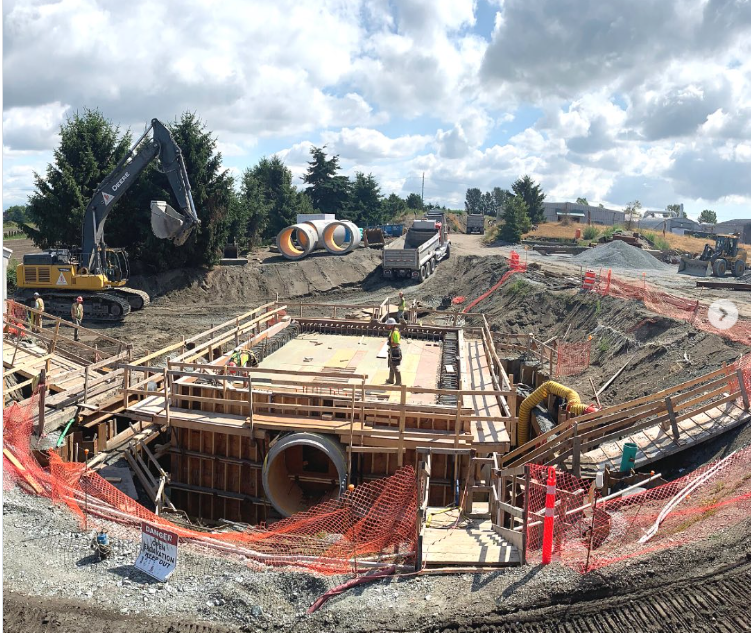
After predicting and analyzing construction noise levels, BKL’s team recommended noise barriers and oversaw their installation around the Seymour tunnel portal construction site, which was located in Lynn Canyon Park (see photos below). Once the barriers were installed, BKL’s acousticians monitored portal construction noise, placing meters within the park and at the nearest residences to the west. This included a 12-month monitoring program at one residence to measure peak levels from blasting noise, with regular reporting to the contractor to ensure that established limits were not exceeded.
One afternoon, a resident at the house where the long-term noise monitor was installed contacted BKL. He said, “You’d better come down here,” and described how a bear had climbed over his fence and devoured the noise meter. Fortunately, when the acoustician arrived, he found that only the windscreen was mauled. The meter was still operational.
As the project continued, BKL consulted on noise control for a large tunnel ventilation fan after complaints were received from some nearby residents. In addition, before test hole drilling began at several locations within quiet residential areas, BKL predicted noise levels and recommended partial enclosures for the drill rigs to control noise. With the enclosures in position, BKL measured resulting noise levels to confirm the effectiveness of this mitigation and ensure compliance with noise criteria.
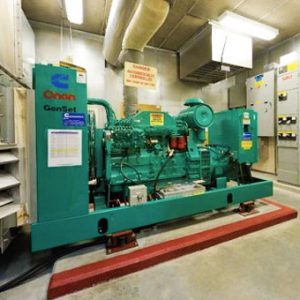
During later stages of the project, when work was to begin on the Capilano portal and pump station in Capilano River Regional Park, BKL was retained to predict construction noise in support of Metro Vancouver’s application for a noise bylaw variance. As construction progressed, BKL conducted periodic measurements of noise from portable generators and drilling in response to sporadic complaints from residents.
PROJECT BENEFITS
The size and duration of this incredible construction project demanded a proactive plan to manage noise and vibration, and limit disturbances. BKL, well stocked with noise monitors (although one’s missing a wind screen), the latest prediction software, and experienced acousticians, was able to dedicate staff and equipment to this long-term project, ensuring the client avoided additional risks from unexpected noise complaints.
When unplanned for noise complaints did occur, BKL analyzed the noise and presented solutions—mitigation that worked for residents and the construction crews alike—helping to keep the project on track.
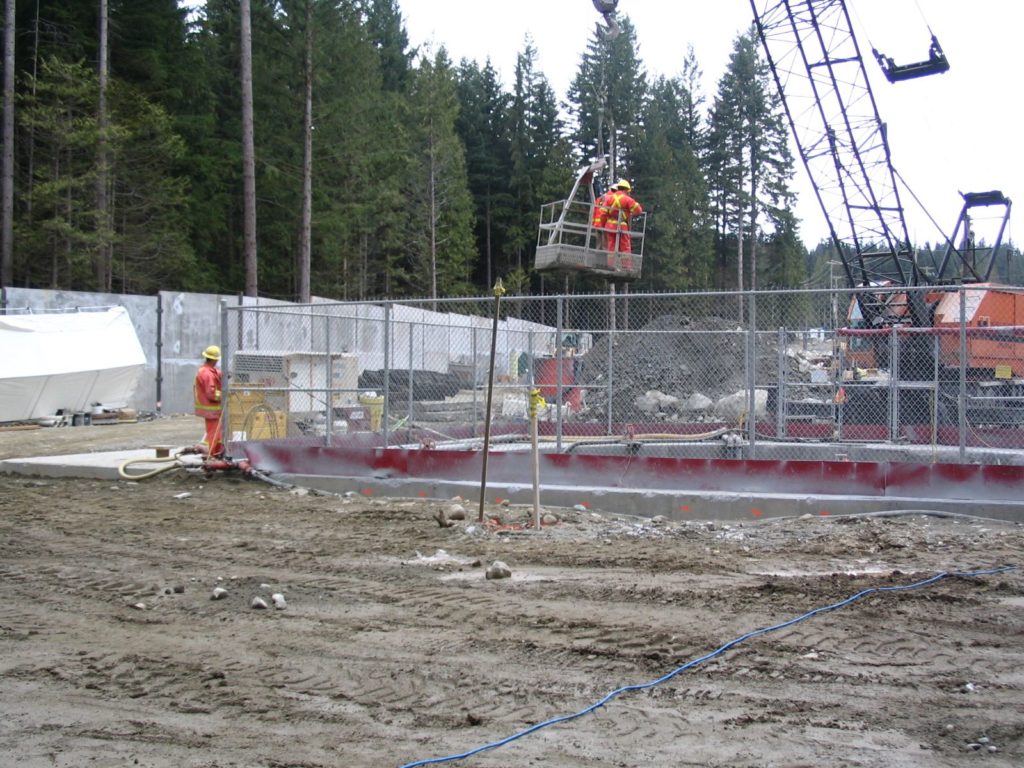
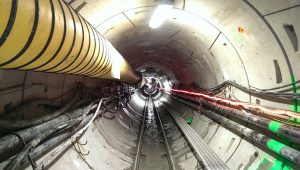
The Seymour shaft of the twin tunnels.
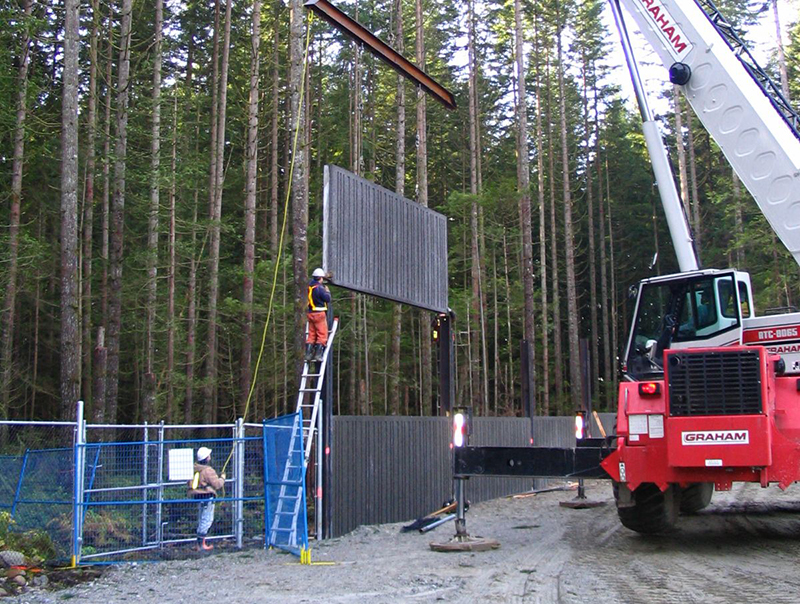
Installing noise walls.
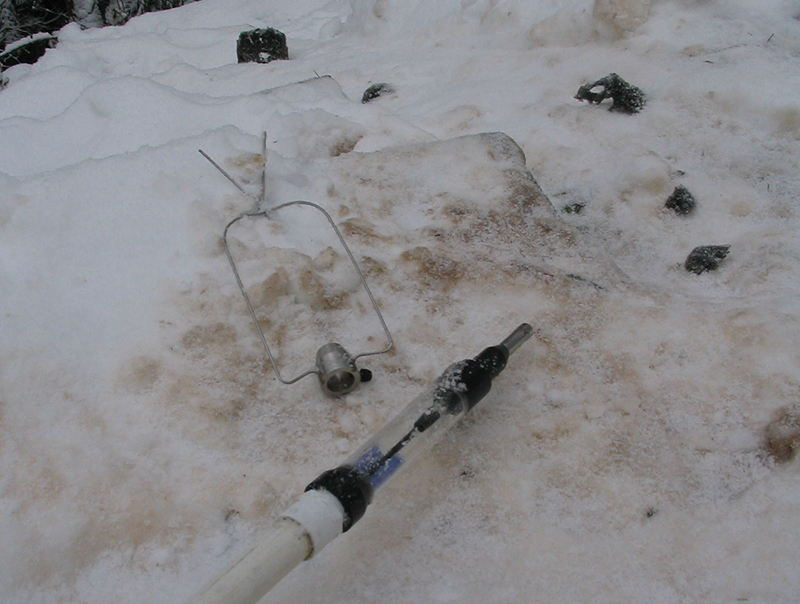
During the long-term monitoring, a bear devoured one of the noise meters. Fortunately, only the windscreen was destroyed.
The People Behind Our Work
Our Technical Leads
-
Brigette Martin
P.Eng., WELL AP
Technical Director, Sound and Vibration Measurements
-

Trevor Cheng
P.Eng., MIOA
Managing Specialist Acoustical Consultant
Have a project in mind? Get in touch today.